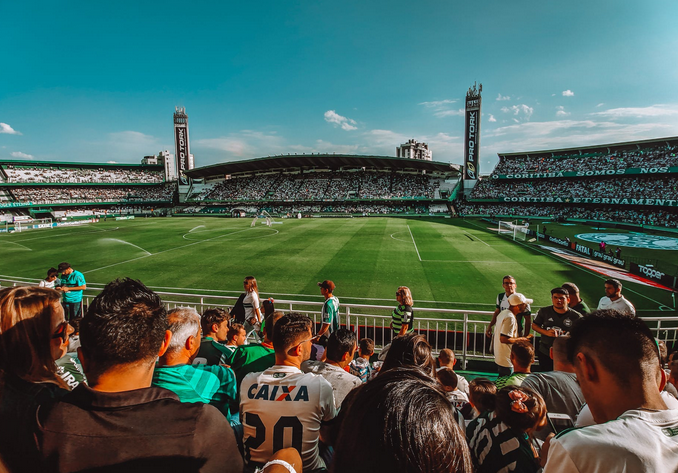
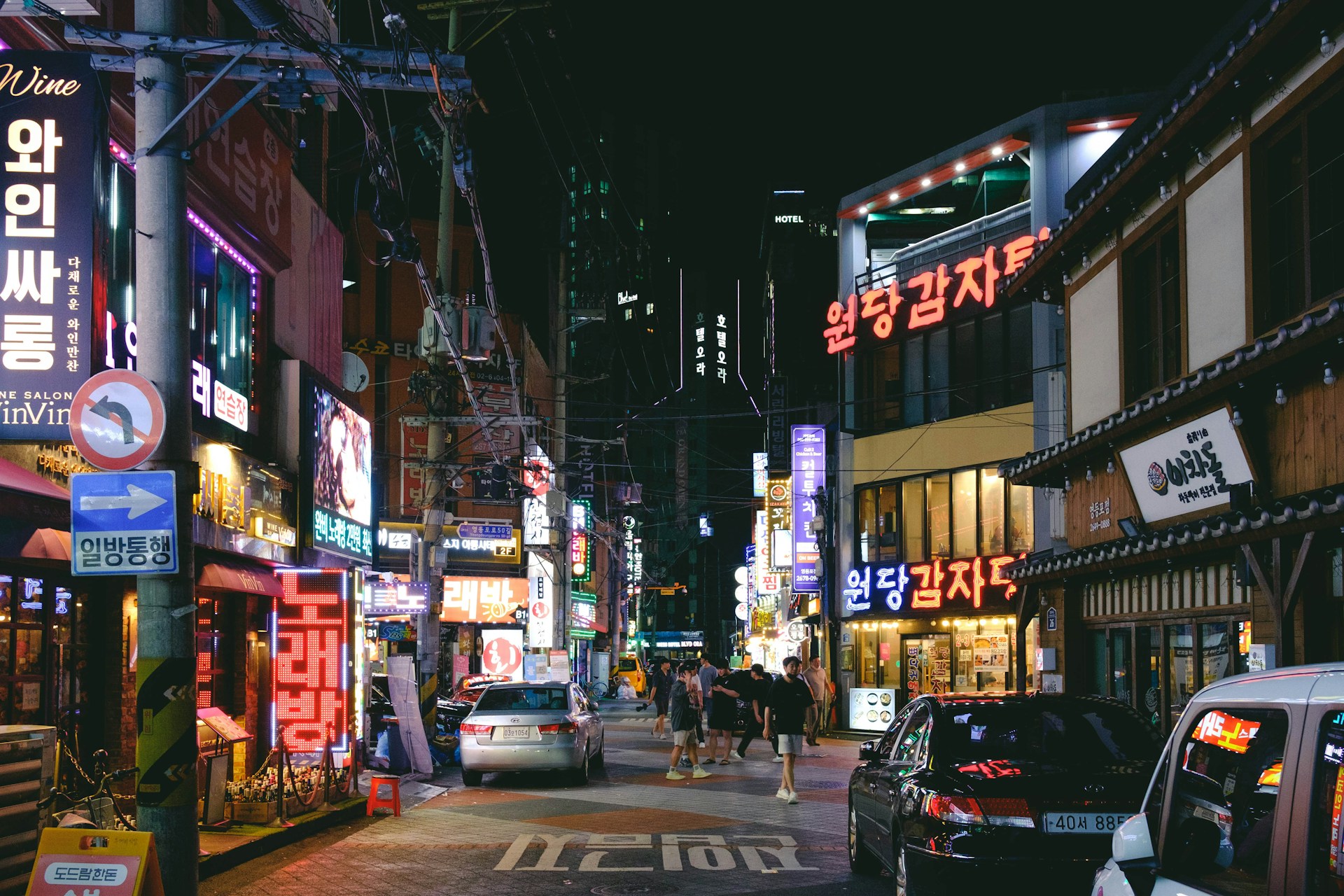
Daegu is no longer defined by quiet provincial stereotypes or predictable routines. The city has matured into a lively entertainment hub where neon lights, café culture, music venues, and digital communities intersect in unexpected patterns. Social energy flows across districts, from late-night food alleys to rooftop lounges filled with students and young professionals. Daebam stands at the center of this shift, acting as a digital mirror for how Daegu spends its evenings. Its presence signals how lifestyle in the city is becoming more coordinated, expressive, and openly shared across online and offline spaces simultaneously.
The Digital Pulse of Entertainment
Entertainment in Daegu now moves at the speed of a post, a comment, a trending recommendation. Word-of-mouth once traveled slowly through friend groups; today it spreads in minutes across digital platforms. Daebam plays a visible role in this acceleration by compiling venue information, reviews, and nightlife updates in one accessible channel. This aggregation reduces uncertainty for those planning a night out. Instead of wandering aimlessly, users consult shared experiences before choosing a club, bar, or lounge.
The result is a more synchronized nightlife flow. Popular venues fill quickly, while emerging spots gain traction through repeated mentions. Digital presence shapes perception. A themed party can transform from modest gathering to citywide buzz within hours. Daebam amplifies these signals, converting scattered feedback into a cohesive stream of recommendations. In doing so, it supports Daegu’s transition into a city where entertainment decisions are influenced heavily by online conversation.
Youth Culture and Trend Acceleration
With universities such as Kyungpook National University and Keimyung University energizing the population, Daegu’s lifestyle scene leans strongly on student momentum. Fashion experiments, music preferences, and café aesthetics often originate within campus circles before spreading outward. Daebam reflects this acceleration of trends. Event listings frequently align with semester breaks, graduation celebrations, or festival periods.
Music styles shift based on student demand, whether electronic beats dominate one month or hip-hop takes center stage the next. This rapid turnover keeps the city lively, occasionally chaotic, but always expressive. Youth culture also reshapes language and humor in nightlife promotion. Short, punchy descriptions and meme-inspired phrases replace traditional marketing tone. Daebam adapts to this style, echoing the vocabulary of its primary audience. Through that alignment, it becomes embedded in the entertainment ecosystem rather than hovering above it as an external observer.
Hybrid Spaces and Nightlife Innovation
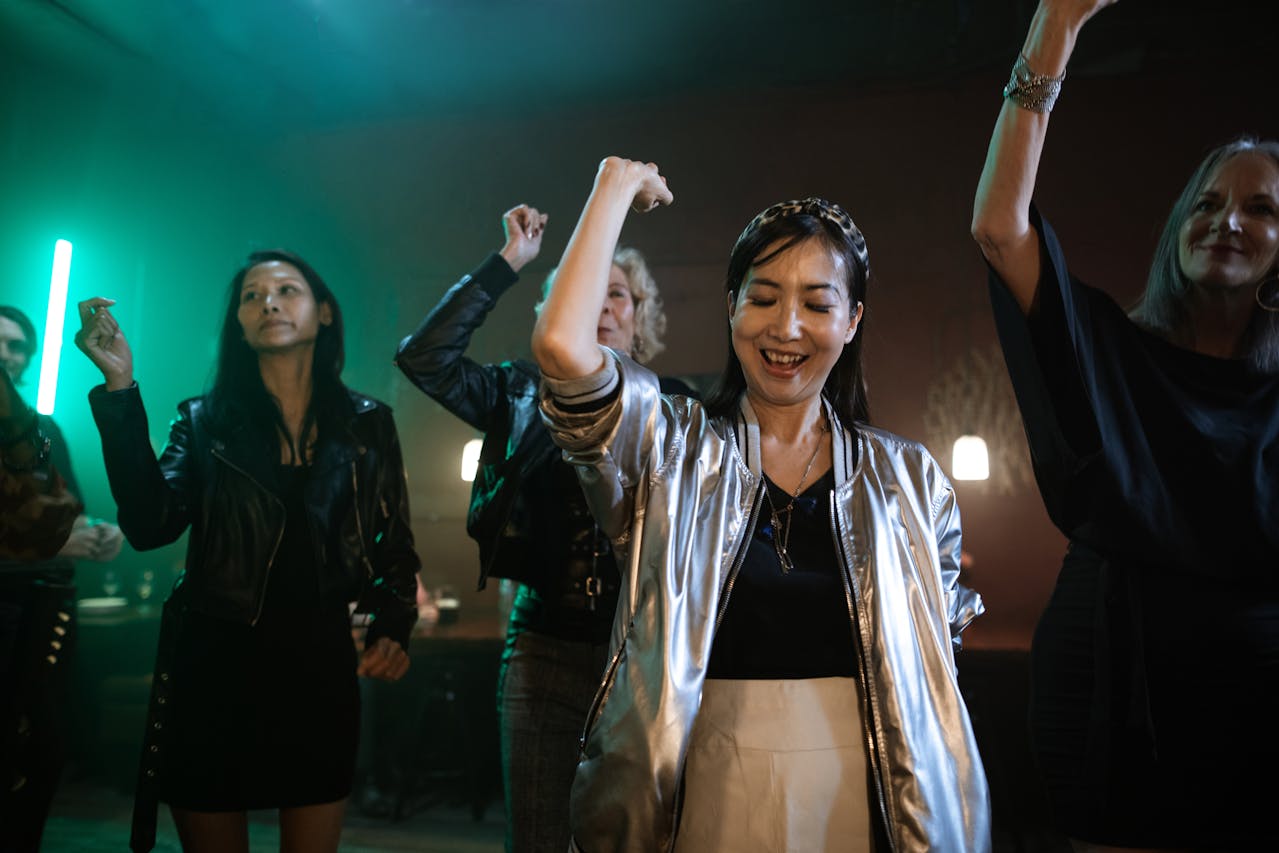
Daegu’s entertainment districts no longer operate in rigid categories. Cafés convert into cocktail lounges after sunset. Restaurants host DJ sessions. Art exhibitions transform into dance floors once evening settles. This blending of functions creates hybrid spaces that resist easy labeling. Daebam captures these shifts by presenting venues as fluid environments rather than static listings.
A location might be described as calm during daylight hours yet energetic after 10 p.m. Such contrasts reveal how business owners respond to shifting demand. They adapt lighting, music, and menus to capture diverse crowds within a single day. This innovation feeds the broader lifestyle narrative. Residents begin to expect variation instead of routine. The city becomes a stage where entertainment evolves through experimentation. By documenting these transformations, Daebam contributes to a shared understanding of how Daegu reinvents itself nightly.
Community Identity and Shared Experience
Entertainment is rarely solitary in Daegu. Groups gather for barbecue before club visits, continue conversations at convenience stores, and end evenings at late-night eateries. These rituals shape collective memory. Daebam strengthens that sense of shared experience by offering a common reference point. When people discuss a trending venue, they often draw from the same digital descriptions and reviews. This shared source builds conversational continuity. Even disagreements over ratings generate engagement, reinforcing communal ties.
Furthermore, digital visibility provides smaller venues with exposure they might otherwise struggle to gain. A positive review can redirect attention to overlooked corners of the city. As more businesses participate in this cycle, the entertainment landscape becomes broader and more interconnected. The influence extends beyond individual nights out. Over time, recurring mentions of certain districts elevate them into cultural symbols. Areas once considered secondary can rise in prominence through sustained digital attention. Daebam thus participates in shaping not just consumer choice, but urban identity itself.
Conclusion
Daebam occupies a strategic position within Daegu’s evolving lifestyle scene by linking digital conversation with physical entertainment spaces. Through its reflection of youth trends, hybrid venues, community rituals, and rapid information exchange, it captures how the city’s social fabric is reorganizing around shared online insight. As Daegu continues refining its nightlife and creative districts, platforms that consolidate and broadcast collective opinion will remain influential. In this interplay between street energy and screen-based dialogue, Daebam stands as a visible marker of how entertainment culture in the city continues to expand and redefine itself.